

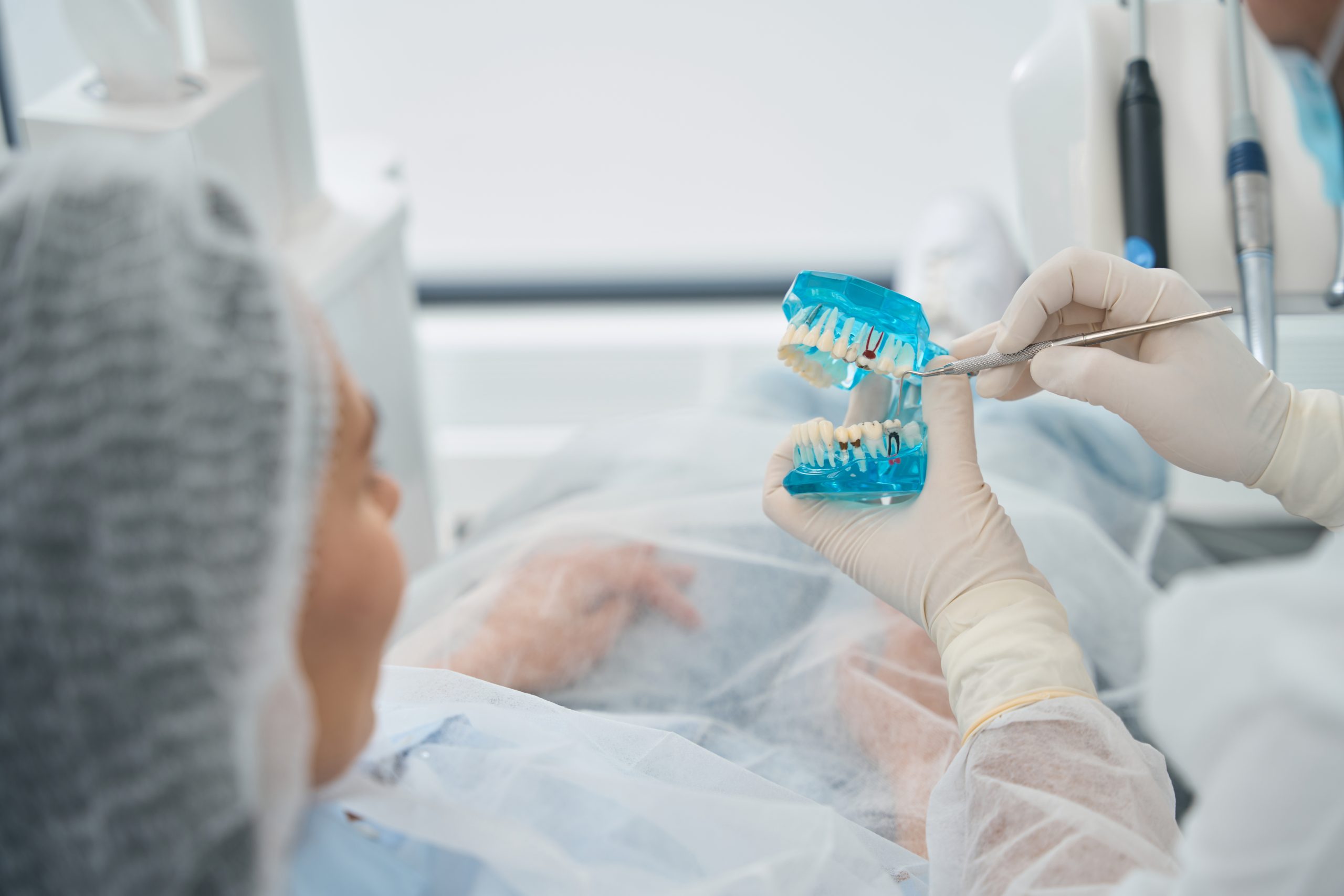
What Happens During Dental Implant Surgery and How Is It Different from a Simple Extraction
Dental implant surgery is a sophisticated procedure designed to replace missing teeth with artificial roots, providing a stable foundation for crowns or bridges. Unlike a simple extraction, which involves the removal of a tooth, dental implant placement requires careful planning and execution. The process typically begins with an initial consultation where Dr. Marianna Jovanovich evaluates the patient’s oral health, including bone density and gum condition.
During the surgery itself, the dentist will place a titanium post into the jawbone, mimicking the root of a natural tooth. This post serves as an anchor for the replacement tooth. In contrast, a simple extraction does not involve any surgical placement; it merely removes the tooth without addressing the underlying structural support.
What Preoperative and Postoperative Steps Should a Patient Know About for Implant Surgery
Preparation for dental implant surgery includes several key steps to ensure optimal outcomes. Patients are advised to undergo thorough examinations, including X-rays and possibly CT scans, to assess their suitability for implants. It’s also crucial to discuss any medications being taken, as certain drugs may need to be paused before the procedure.
Postoperatively, patients should follow specific care instructions provided by Dr. Marianna Jovanovich. These include maintaining good oral hygiene, avoiding hard foods, and managing discomfort with prescribed pain relief. Regular follow-up appointments will be scheduled to monitor healing and progress.
How Long Is the Healing Phase After Implant Surgery Before You Can Place the Crown
The healing phase after implant surgery can vary based on individual factors such as bone quality and overall health. Generally, it takes about three to six months for the implant to integrate securely with the jawbone in a process known as osseointegration. Only after this integration is confirmed can the crown be placed. Patience during this period is essential, as rushing the process could compromise the success of the implant.
What Pain, Swelling, or Risks Should I Expect After Implant Surgery
Following dental implant surgery, some degree of pain and swelling is normal. Patients may experience mild discomfort that can usually be managed with over-the-counter pain relievers or those prescribed by Dr. Marianna Jovanovich. Swelling around the surgical site is also common but typically subsides within a few days.
While complications are rare, potential risks include infection, nerve damage, or sinus issues if upper jaw implants are involved. Understanding these possibilities allows patients to prepare adequately and seek immediate attention if unusual symptoms arise.
What Are the Cost Factors and How Do I Choose a Qualified Provider for Implant Surgery
The cost of dental implants can vary significantly based on various factors, including the complexity of the case, materials used, and whether additional procedures like bone grafting are necessary. Patients should inquire about all associated costs upfront to avoid surprises later.
Choosing a qualified provider for implant surgery involves looking for credentials, experience, and patient reviews. Dr. Marianna Jovanovich offers expert periodontal care, ensuring attentive personalized treatment tailored to each individual’s needs. Building a trusted specialist partnership is vital for long-term success and satisfaction with the results.
Get Started Today with Expert Care
If you’re searching for “dental implant surgery,” look no further than Bedford Hills Dental P.C. With Dr. Marianna Jovanovich at the helm, you’ll receive compassionate, one-on-one care focused on your unique needs. Don’t wait—call us today at (914) 666-6845, or visit our contact page. For directions, check out our location on Google Maps. Your journey to a healthier smile starts here!