What Is Cosmetic Bonding and How Does It Differ from Veneers or Crowns
Cosmetic tooth bonding is a versatile dental procedure that involves applying a tooth-colored resin to enhance the appearance of teeth. This treatment is particularly effective for addressing minor imperfections such as chips, gaps, or discoloration. Unlike veneers, which are thin shells custom-made to cover the front surface of teeth, or crowns, which encase an entire tooth for structural support, cosmetic bonding offers a more conservative approach with less alteration to the natural tooth structure.
The primary distinction lies in the application: while veneers and crowns often require multiple visits and sometimes extensive preparation, cosmetic bonding can typically be completed in just one appointment. Dr. Marianna Jovanovich emphasizes the importance of choosing the right option based on individual needs, ensuring patients receive attentive personalized treatment tailored to their unique circumstances.
For Which Cosmetic Dental Issues Is Bonding a Suitable Solution
Cosmetic bonding is ideal for various dental concerns, making it a popular choice among patients seeking aesthetic improvements. Common issues addressed by this technique include:
– Chipped or cracked teeth
– Gaps between teeth
– Discoloration or staining
– Irregularly shaped teeth
This method not only enhances the smile but also contributes to overall oral health by restoring function and preventing further damage. The expertise of Dr. Marianna Jovanovich ensures that each patient receives expert periodontal care focused on achieving optimal results.
What Is the Procedure for Cosmetic Bonding and Does It Require Anesthesia
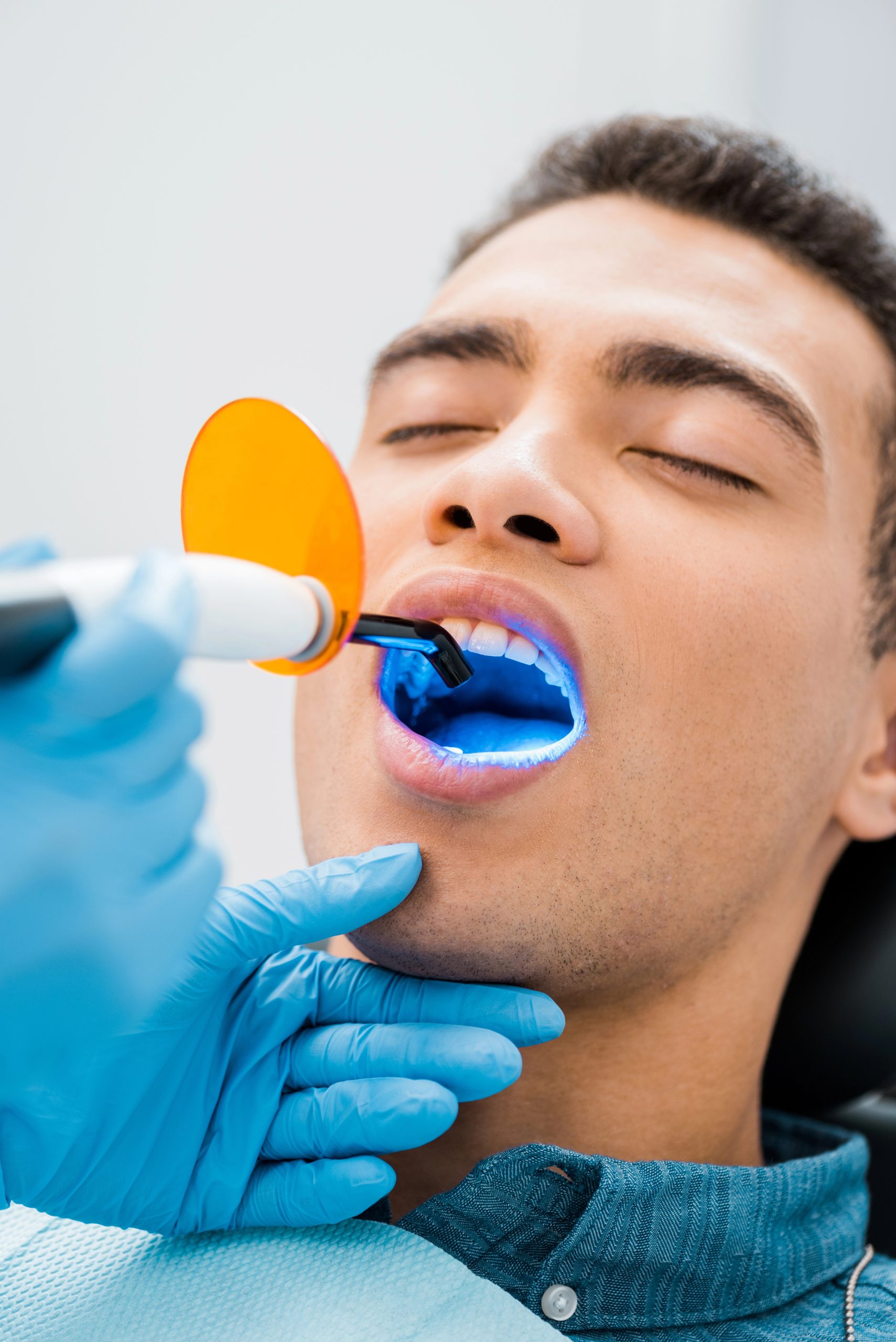
The process of cosmetic bonding is straightforward and generally does not require anesthesia unless there is decay or significant sensitivity involved. During the procedure, Dr. Marianna Jovanovich will first select a composite resin shade that closely matches the patient’s natural teeth.
Next, the tooth’s surface may be lightly etched to help the material adhere better. The resin is then applied, molded, and polished to achieve a seamless finish. Patients appreciate the efficiency of this treatment, allowing them to leave the office with an improved smile in a single visit.
How Durable Is Cosmetic Bonding and What Can Affect Its Longevity
While cosmetic bonding is durable, its longevity can vary based on several factors. Typically, bonded teeth can last anywhere from three to ten years with proper care. Factors influencing durability include:
– Oral hygiene practices
– Dietary habits (e.g., avoiding hard foods)
– Habits such as nail-biting or using teeth as tools
Regular check-ups with Dr. Marianna Jovanovich allow for monitoring the condition of bonded areas and maintaining optimal oral health, reinforcing the trusted specialist partnership that patients value.
How Should I Care for My Teeth After Bonding and Are There Any Restrictions
Post-procedure care for bonded teeth is relatively simple. Patients should maintain good oral hygiene by brushing twice daily and flossing regularly. It’s advisable to avoid extremely hard or sticky foods shortly after the procedure to prevent any potential damage to the newly bonded area. Additionally, limiting consumption of stain-causing beverages like coffee and red wine can help preserve the bond’s appearance over time.
Dr. Marianna Jovanovich provides comprehensive guidance on caring for bonded teeth, ensuring patients feel confident and informed about their treatment outcomes.
Enhance Your Smile Today!
If you’re searching for “cosmetic tooth bonding,” look no further than Bedford Hills Dental P.C. Dr. Marianna Jovanovich is dedicated to providing expert periodontal care with an emphasis on attentive personalized treatment. Contact us today at (914) 666-6845, or visit our contact page to schedule your consultation. Experience the difference of working with a trusted specialist who values your comfort and satisfaction. Find us easily on Google Maps.