

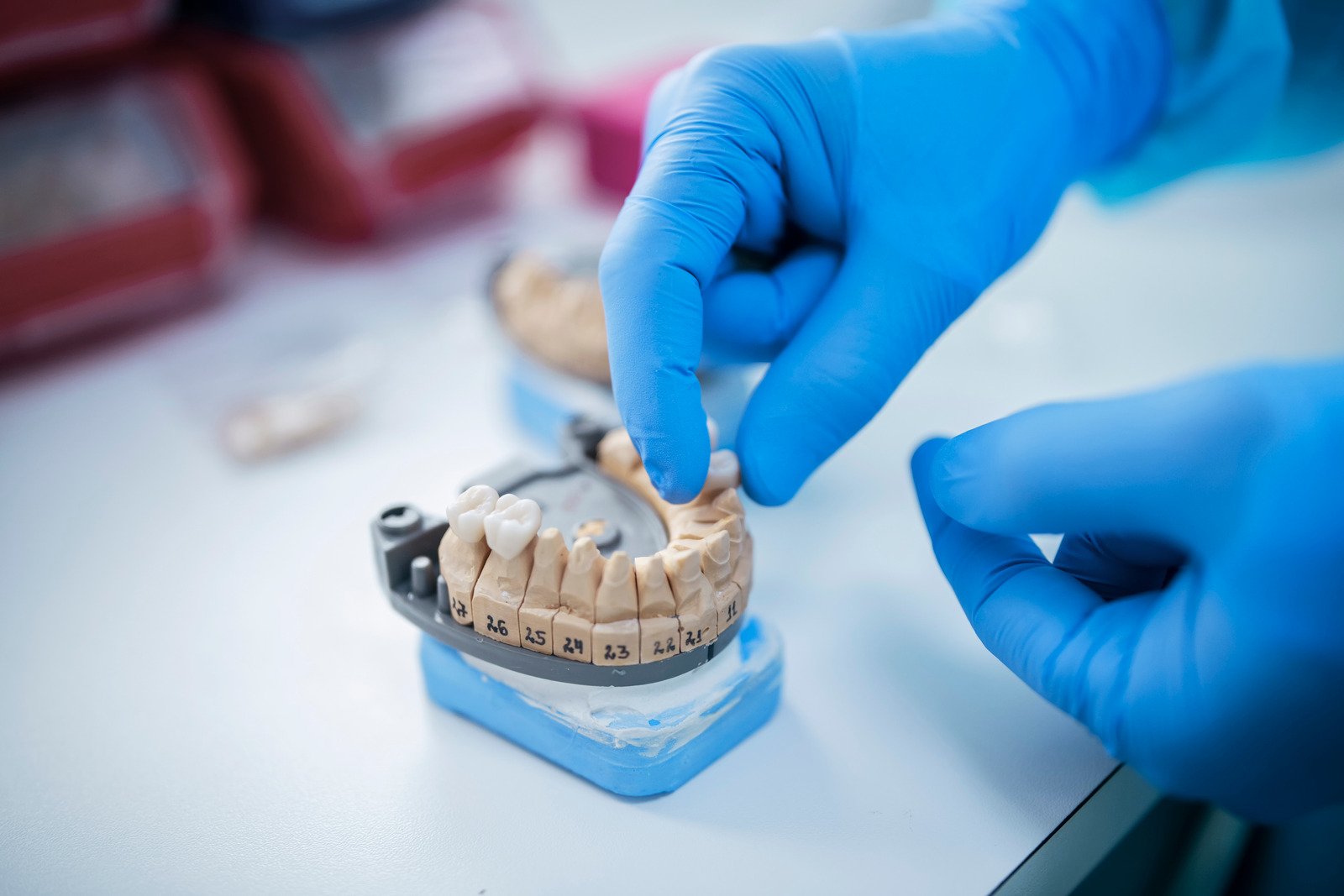
What Is a Dental Bridge and How Does It Work to Replace Missing Teeth
A dental bridge is a prosthetic device designed to fill the gap created by one or more missing teeth. This restoration typically consists of two or more crowns for the teeth on either side of the gap, known as abutment teeth, with a false tooth or teeth in between, referred to as pontics. The primary function of a dental bridge is to restore both aesthetics and functionality, allowing patients to chew and speak comfortably while enhancing their smile.
The process begins with an evaluation by Dr. Marianna Jovanovich, who will assess the patient’s oral health and determine if a bridge is suitable. Once decided, the surrounding teeth are prepared to support the bridge, which involves reshaping them to accommodate the crowns. After impressions are taken, a custom bridge is crafted, ensuring a perfect fit that blends seamlessly with existing teeth.
How Do I Know Whether a Bridge Is the Right Option Versus an Implant or Denture
Determining whether a dental bridge is the right choice compared to implants or dentures requires careful consideration of various factors. Bridges are often recommended when adjacent teeth are healthy enough to support the structure without additional surgical intervention. They can be a quicker solution than implants, which require a longer healing period and sometimes multiple procedures.
Conversely, dental implants offer a permanent solution by integrating into the jawbone, making them an excellent option for those seeking long-term stability. Dentures may be suggested for individuals missing several teeth but not requiring fixed restorations. Consulting with Dr. Marianna Jovanovich allows patients to explore these options thoroughly, considering their unique circumstances and preferences.
What Is the Procedure for Getting a Dental Bridge and How Long Does It Take
The procedure for obtaining a dental bridge generally unfolds over two visits. During the initial appointment, Dr. Marianna Jovanovich prepares the abutment teeth and takes precise measurements and impressions. A temporary bridge may be placed to protect the exposed teeth while the custom bridge is being fabricated.
Typically, the creation of a dental bridge takes about two weeks, depending on the complexity and materials used. At the second visit, the temporary bridge is replaced with the final product, which is carefully adjusted for comfort and appearance. Patients can expect to leave with a restored smile and improved chewing ability after this straightforward yet meticulous process.
How Do I Care for a Dental Bridge and Keep It Clean
Caring for a dental bridge is essential for maintaining its longevity and the health of surrounding teeth. Regular brushing and flossing should be part of the daily routine, focusing on cleaning around the bridge and under the pontic where food particles can accumulate. Using a soft-bristled toothbrush and non-abrasive toothpaste helps prevent damage to the bridge’s surface.
Additionally, patients may consider using special cleaning devices like interdental brushes or water flossers to ensure thorough cleaning. Routine visits to Dr. Marianna Jovanovich for professional cleanings and check-ups are also crucial in monitoring the condition of the bridge and overall oral health.
What Are the Risks or Limitations of Dental Bridges I Should Consider
While dental bridges provide effective solutions for replacing missing teeth, there are some risks and limitations to contemplate. One potential issue is the reliance on neighboring teeth for support; if these teeth become damaged or decay, it could compromise the integrity of the bridge. Additionally, bridges do not prevent bone loss in the jaw beneath the missing teeth, which can lead to changes in facial structure over time.
Patients should also be aware that although bridges can last many years with proper care, they may eventually need replacement due to wear and tear. Engaging in open discussions with Dr. Marianna Jovanovich regarding these considerations ensures informed decision-making tailored to individual needs.
Your Path to Restored Smiles Starts Here
If you’re searching for “dental bridges,” look no further than Bedford Hills Dental P.C., led by Dr. Marianna Jovanovich. Experience expert periodontal care and attentive personalized treatment that prioritizes your oral health and well-being. Call us today at (914) 666-6845 to schedule your consultation, or reach out through our contact page at Contact Us. Visit us at Google Maps to find your way to a trusted specialist partnership dedicated to restoring your smile.