
What Is a Dental Bone Graft and Why Is It Required Before Some Treatments
A dental bone graft is a surgical procedure aimed at restoring lost or damaged bone in the jaw, often necessary before certain treatments such as dental implants. When individuals experience tooth loss due to periodontal disease, trauma, or other factors, the surrounding bone may deteriorate over time. This can create insufficient bone density for successful implant placement. Dr. Marianna Jovanovich emphasizes that this procedure not only enhances the structural integrity of the jaw but also promotes better long-term oral health outcomes.
The need for a bone graft arises primarily from the desire to ensure stability for future dental work. By augmenting the bone, patients can achieve optimal results with their implants or other restorative procedures. Understanding the importance of this foundational step is crucial for anyone considering advanced dental treatments.
How Is a Bone Graft Performed in the Jaw and What Materials Are Used
The process of performing a bone graft typically involves several key steps. Initially, Dr. Marianna Jovanovich will conduct a thorough examination, including imaging studies, to assess the extent of bone loss and determine the most suitable approach. The actual procedure usually takes place under local anesthesia or sedation, ensuring patient comfort throughout.
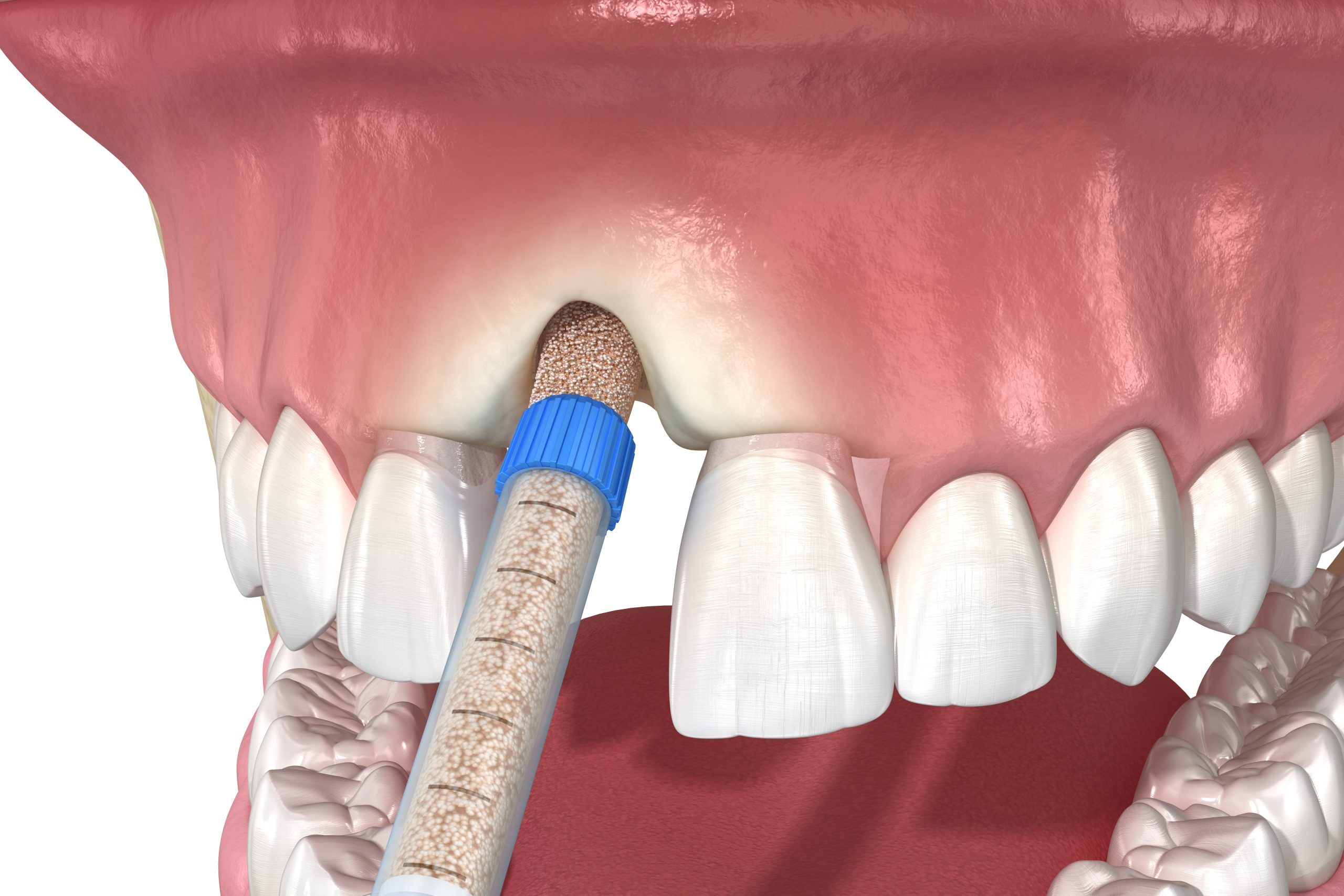
During the grafting procedure, a small incision is made in the gum tissue to access the underlying bone. The graft material—which can be sourced from the patient’s own body (autograft), a donor (allograft), synthetic materials, or bovine-derived products—is then carefully placed into the targeted area. This material acts as a scaffold for new bone growth, encouraging natural healing and regeneration.
How Long Does Healing Take After a Bone Graft and When Can Subsequent Treatment Begin
Healing time after a bone graft varies depending on individual circumstances, including the type of graft used and the patient’s overall health. Typically, initial healing occurs within a few weeks; however, complete integration of the graft with the existing bone can take several months—often around three to six months. During this period, regular follow-up appointments with Dr. Marianna Jovanovich are essential to monitor progress and ensure optimal healing.
Once sufficient healing has taken place, subsequent treatments, such as dental implant placement, can commence. Dr. Marianna Jovanovich provides detailed timelines and personalized guidance to help patients understand when they can expect to move forward with their treatment plans.
What Are the Risks or Possible Complications of a Dental Bone Graft
As with any surgical procedure, there are inherent risks associated with dental bone grafts. While complications are relatively rare, potential issues can include infection, graft failure, or adverse reactions to the materials used. Dr. Marianna Jovanovich prioritizes patient safety and employs meticulous techniques to minimize these risks.
Patients are encouraged to discuss any concerns openly during consultations, allowing Dr. Marianna Jovanovich to provide comprehensive information about safety protocols and what to expect during recovery. An informed patient is more likely to feel comfortable and confident throughout the treatment process.
Does Insurance Cover Bone Grafting and How Much Does It Typically Cost
Insurance coverage for dental bone grafting varies significantly among providers and specific policies. Many insurance plans do offer some level of coverage for medically necessary procedures, particularly those related to dental implants. However, it is advisable for patients to verify their benefits beforehand.
The cost of a dental bone graft can range widely based on factors such as the complexity of the case and the type of materials used. On average, patients might expect costs between $300 to $3,000. To gain clarity on personal financial responsibilities, consulting with Dr. Marianna Jovanovich’s office staff can provide valuable insights tailored to individual situations.
Your Path to Expert Periodontal Care Starts Here
If you’re looking for professional assistance with your dental needs, including bone grafting, look no further than Bedford Hills Dental P.C. Under the expert care of Dr. Marianna Jovanovich, patients receive attentive personalized treatment that fosters trust and understanding. For those searching for “bone grafting,” reach out today to explore how we can support your journey to improved oral health.
Call us now at (914) 666-6845, or visit our contact page. You can also find us on the map Google Maps. Your smile deserves the best!