

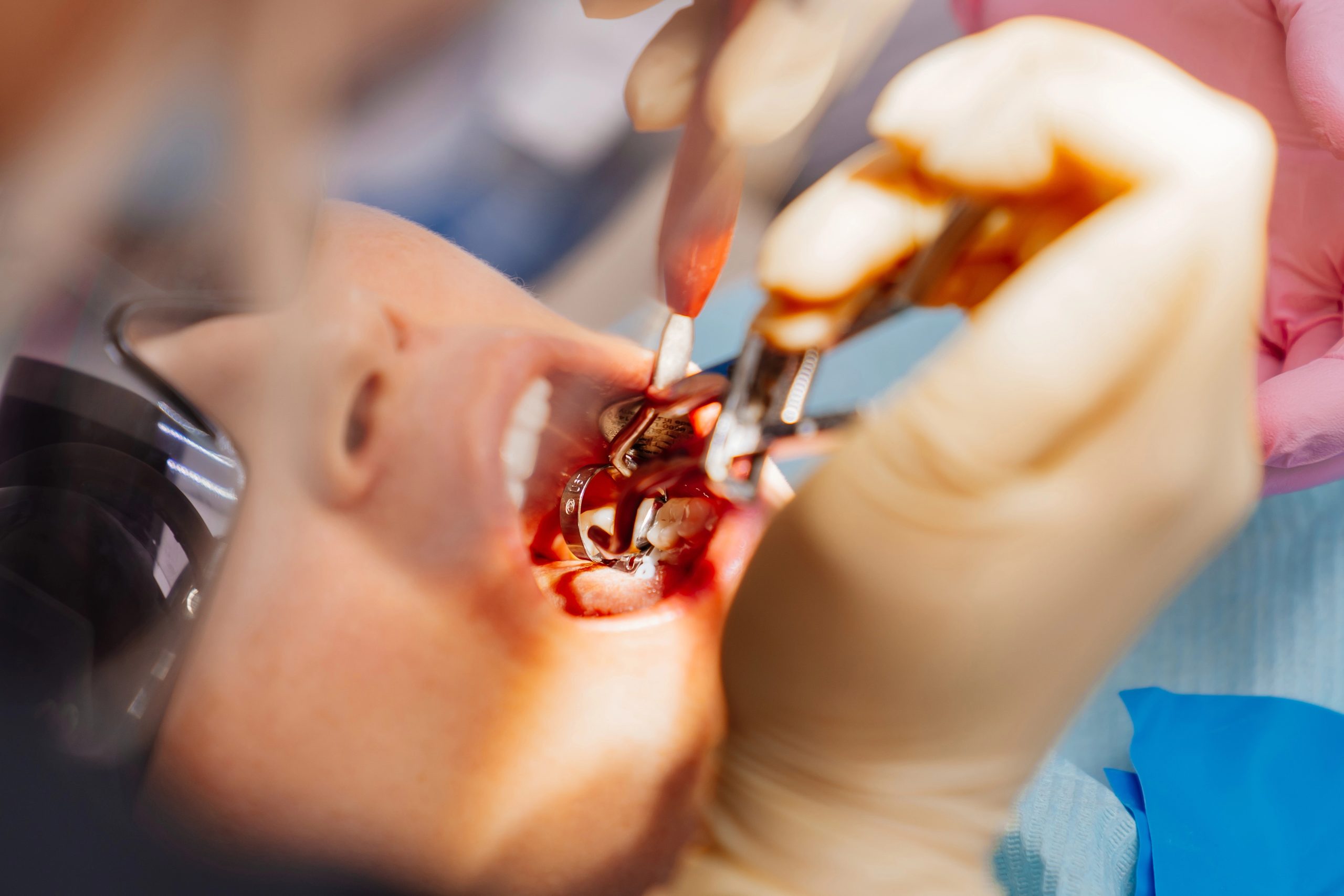
When Is A Tooth Extraction Necessary And What Alternatives Might Exist
Tooth extractions are often deemed necessary when a tooth is severely damaged, decayed, or infected. Conditions such as advanced periodontal disease can lead to the need for removal, especially if there’s significant bone loss surrounding the tooth. Additionally, overcrowding in the mouth may require extraction to facilitate orthodontic treatment.
Alternatives to extraction exist and should be thoroughly discussed with Dr. Marianna Jovanovich. Options like root canal therapy can sometimes save a compromised tooth, while dental crowns or fillings might restore function and aesthetics without resorting to removal. It’s essential for patients to explore all avenues before proceeding with an extraction.
What Should I Expect Before, During, And After A Tooth Extraction
Prior to the procedure, patients will undergo a comprehensive evaluation by Dr. Marianna Jovanovich, which includes X-rays to assess the condition of the tooth and surrounding structures. This initial consultation allows for a discussion on sedation options and pain management strategies tailored to individual needs.
During the extraction itself, local anesthesia will numb the area, ensuring comfort throughout the process. For those who experience anxiety, additional sedation methods may be employed. The actual extraction involves loosening the tooth from its socket and removing it carefully to minimize trauma to the surrounding tissues.
Post-extraction, patients can expect some swelling and discomfort, which can typically be managed with prescribed medications. Following Dr. Marianna Jovanovich’s aftercare instructions is crucial for a smooth recovery.
How Long Is The Recovery From A Tooth Extraction And What Complications Might Arise
Recovery time varies among individuals but generally takes about one week for soft tissue healing. Patients may notice improvements within a few days; however, full recovery could take longer depending on factors such as overall health and adherence to care guidelines provided by Dr. Marianna Jovanovich.
Complications, although rare, can include dry socket, infection, or prolonged bleeding. Recognizing early signs of these issues and contacting the practice promptly ensures that any complications are addressed effectively.
Are There Ways To Reduce Pain Or Anxiety Associated With Tooth Extraction
Managing pain and anxiety associated with tooth removal is a priority at Bedford Hills Dental P.C. Dr. Marianna Jovanovich offers various sedation options ranging from nitrous oxide to oral sedatives, allowing patients to choose what best suits their comfort level.
Additionally, pre-procedure consultations provide an opportunity for patients to express concerns, enabling Dr. Marianna Jovanovich to tailor the approach accordingly. Techniques such as guided imagery and relaxation exercises can also help alleviate anxiety during the visit.
What Can I Eat And What Should I Avoid After A Tooth Extraction
After undergoing an extraction, dietary choices play a vital role in recovery. Initially, soft foods like yogurt, applesauce, and smoothies are recommended to avoid irritation to the extraction site. Gradually reintroducing solid foods is advisable once comfortable, but it’s wise to steer clear of hard, crunchy, or spicy items until fully healed.
Staying hydrated is important, but patients should avoid using straws, as suction can dislodge the blood clot and lead to complications like dry socket. Dr. Marianna Jovanovich provides detailed post-operative care instructions to ensure optimal recovery.
Your Path To Expert Care Starts Here
If you’re seeking reliable solutions for tooth removals, look no further than Bedford Hills Dental P.C. where Dr. Marianna Jovanovich specializes in providing expert periodontal care. Experience attentive personalized treatment that prioritizes your comfort and well-being. Connect with us today to discuss your options for tooth extractions near me. Call (914) 666-6845 or contact us. Find our location easily via Google Maps.