

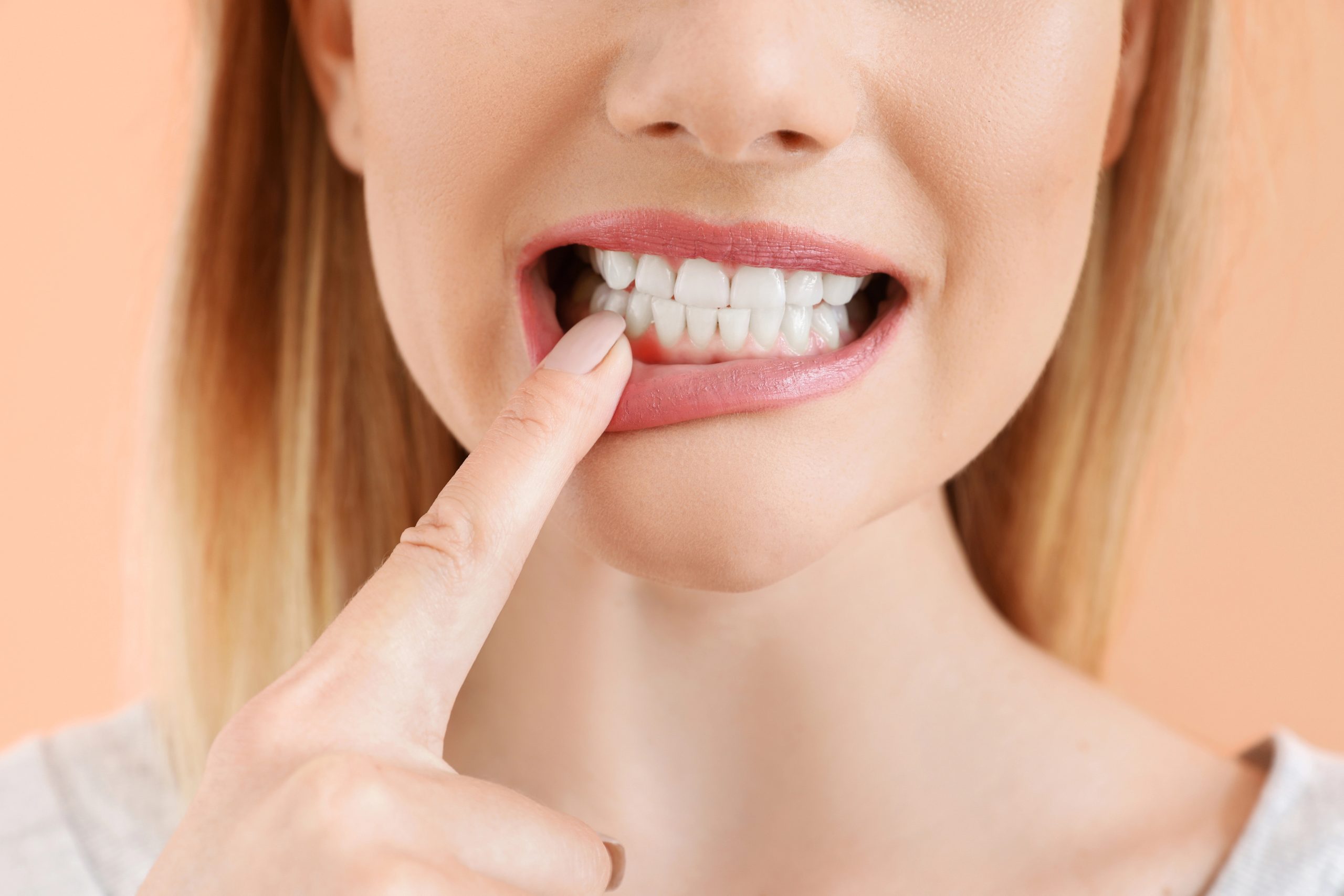
What Are the Early Signs of Gum Disease That I Should Watch For
Recognizing the early signs of gum disease is crucial for maintaining optimal oral health. Patients in their mid-40s to early 60s often start noticing symptoms such as mild bleeding during brushing, increased sensitivity, or discomfort in the gums. Other indicators may include persistent bad breath, swollen or red gums, and a change in bite alignment. These symptoms warrant immediate attention from a periodontal specialist like Dr. Marianna Jovanovich, who can provide expert guidance on the best course of action.
How Is Gum Disease Treated and What Does the Treatment Process Involve
The treatment process for gum disease typically begins with a comprehensive evaluation by Dr. Marianna Jovanovich. This assessment involves measuring pocket depths around teeth, assessing gum tissue health, and possibly taking X-rays to evaluate bone loss. Based on these findings, a tailored treatment plan is developed.
Initial treatments may involve deep cleaning procedures known as scaling and root planing to remove plaque and tartar buildup beneath the gum line. For more advanced cases, surgical interventions might be necessary to restore gum health. Throughout this process, patients receive attentive personalized treatment that prioritizes comfort and understanding, ensuring they feel supported every step of the way.
Can Gum Disease Be Reversed and What Happens If It’s Left Untreated
In its early stages, gum disease, also known as gingivitis, can often be reversed with proper care and treatment. However, if left untreated, it can progress to periodontitis, leading to irreversible damage to the supporting structures of the teeth, including bone loss. This not only affects oral health but can also contribute to systemic issues such as heart disease and diabetes. Therefore, seeking timely intervention from a trusted specialist partnership like that offered by Dr. Marianna Jovanovich is essential for preserving long-term dental health.
How Do Lifestyle Factors Like Smoking or Diabetes Affect Gum Disease Treatment
Lifestyle factors significantly influence both the development and treatment of gum disease. For instance, smoking impairs blood flow to the gums, hindering healing and making individuals more susceptible to infections. Similarly, uncontrolled diabetes can lead to higher levels of glucose in saliva, promoting bacterial growth and increasing the risk of gum complications. Understanding these connections allows Dr. Marianna Jovanovich to create a more effective treatment plan that addresses individual lifestyle challenges while providing expert periodontal care.
After Treatment How Often Should I Follow Up and What Maintenance Is Required
Post-treatment maintenance is vital for sustaining gum health. Typically, patients are advised to schedule follow-up appointments every three to six months, depending on the severity of their condition and overall oral hygiene practices. During these visits, Dr. Marianna Jovanovich will assess gum health, perform professional cleanings, and offer personalized advice on home care techniques. By adhering to these recommendations, patients can effectively manage their gum health and prevent future complications.
Your Path to Healthier Gums Starts Here
If you’re searching for “gum disease treatment,” look no further than Bedford Hills Dental P.C., where Dr. Marianna Jovanovich provides compassionate, expert care tailored to your needs. Don’t wait until minor issues become major problems—call (914) 666-6845 today to schedule an appointment or contact us. Visit us at our convenient location: Google Maps and take the first step towards healthier gums!