
How Can Dental Practices Help With Treating Sleep Apnea and What Devices Are Available
Sleep apnea is a common yet serious sleep disorder that affects millions of individuals, often leading to disrupted sleep patterns and other health complications. Dental practices, particularly those led by specialists like Dr. Marianna Jovanovich, play a crucial role in diagnosing and treating this condition through innovative solutions tailored to each patient’s needs.
Dental professionals can provide oral appliances designed specifically for sleep apnea management. These devices work by repositioning the jaw and tongue to keep the airway open during sleep. Common types of oral appliances include mandibular advancement devices (MADs) and tongue-retaining devices, both of which have shown effectiveness in reducing symptoms associated with obstructive sleep apnea.
For patients seeking effective options, finding “sleep apnea treatment near me” can lead them to specialized care that integrates dental expertise with comprehensive patient support.
What Is the Difference Between a CPAP Machine and an Oral Appliance From a Dentist for Sleep Apnea
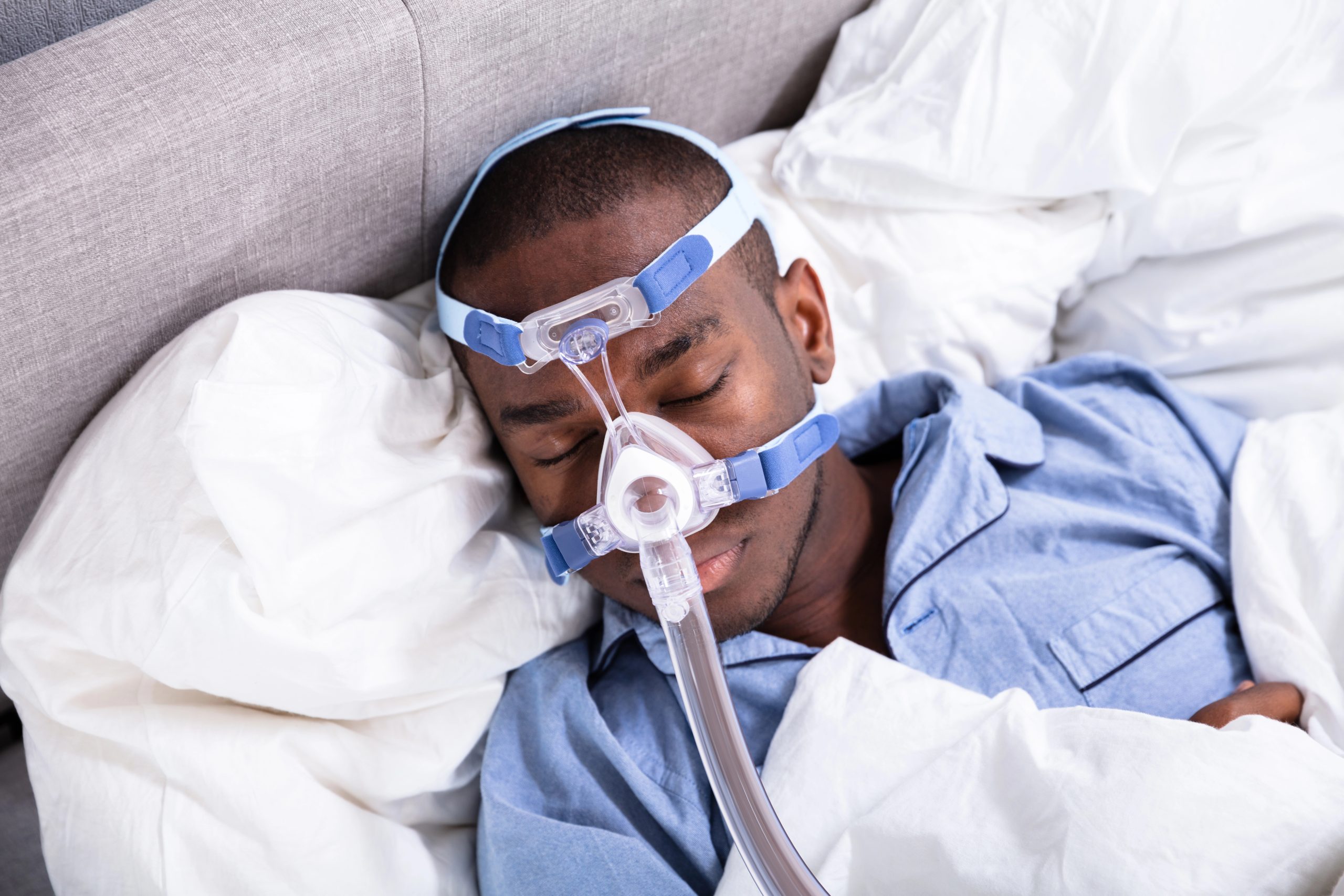
The two primary treatments for sleep apnea are Continuous Positive Airway Pressure (CPAP) machines and oral appliances prescribed by dentists. A CPAP machine delivers continuous airflow through a mask worn during sleep, keeping the airways open. While highly effective, some patients find it uncomfortable or cumbersome, leading to non-compliance.
In contrast, oral appliances offer a more discreet and comfortable alternative. Designed to fit snugly within the mouth, these devices do not require external machinery and allow for greater freedom of movement during sleep. The choice between a CPAP machine and an oral appliance largely depends on individual preferences and specific medical recommendations from healthcare providers like Dr. Marianna Jovanovich.
How Effective Are Dental Sleep Apnea Treatments and What Kinds of Patients Benefit Most
Dental sleep apnea treatments have proven effective for many patients, especially those diagnosed with mild to moderate obstructive sleep apnea. Research indicates that oral appliances can significantly reduce apneic events, improve sleep quality, and enhance overall well-being.
Patients who benefit most from dental interventions typically exhibit certain characteristics: they may be unable to tolerate CPAP therapy, prefer a less invasive solution, or seek a portable option for travel. Additionally, those experiencing early signs of gum issues or general discomfort while sleeping may find relief through personalized treatment plans developed by trusted specialists like Dr. Marianna Jovanovich.
What Is Involved in Fitting and Maintaining a Dental Appliance for Sleep Apnea
Fitting a dental appliance involves several steps, starting with a thorough evaluation by Dr. Marianna Jovanovich. This process includes assessing the severity of sleep apnea, taking impressions of the teeth, and creating a custom-fitted device tailored to the individual’s anatomy.
Once fitted, regular follow-ups are essential to ensure optimal performance and comfort. Maintenance involves routine check-ups to adjust the appliance as needed and monitor any changes in the patient’s condition. Proper hygiene practices should also be emphasized, including cleaning the device regularly to prevent bacterial buildup.
Are There Risks, Side Effects, or Lifestyle Changes Needed When Using Dental Treatment for Sleep Apnea
While dental treatments for sleep apnea are generally safe, potential side effects may occur. Some patients report minor discomfort, dry mouth, or temporary changes in bite alignment. However, these issues are often manageable and can be addressed during follow-up appointments.
Lifestyle changes may also enhance the effectiveness of dental appliances. Weight loss, smoking cessation, and positional therapy—avoiding back sleeping—can contribute positively to managing sleep apnea symptoms. Engaging with a compassionate specialist like Dr. Marianna Jovanovich ensures patients receive guidance on integrating these changes into their daily lives.
Take Control of Your Sleep Health Today
If you’re searching for effective “sleep apnea treatment,” look no further than Bedford Hills Dental P.C., where Dr. Marianna Jovanovich offers expert periodontal care and attentive personalized treatment. Don’t let sleep apnea disrupt your life; contact us today at (914) 666-6845 or visit our contact page. You can also find us on the map here. Start your journey toward better sleep and improved health now!